Find the perfect custom hoodie fabric: GSM, fleece, cotton & blends for comfort! Get a Free Quote today! Custom Hoodies Fabric Guide: ...
Find the perfect custom hoodie fabric: GSM, fleece, cotton & blends for comfort! Get a Free Quote today!
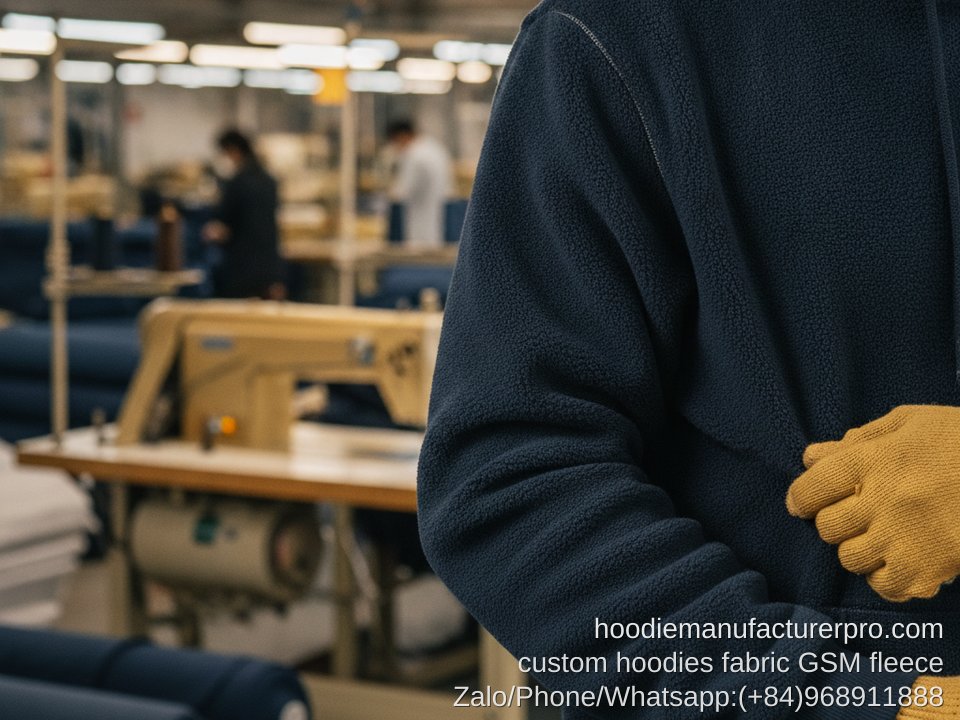
Custom Hoodies Fabric Guide: GSM, Fleece Types, Cotton & Performance Blends
Selecting the right fabric is paramount when ordering custom hoodies. The weight, composition, and finish of your fabric directly impact the garment's feel, durability, and suitability for its intended purpose. Understanding key metrics like GSM and the nuances of different fleece types, cotton varieties, and performance blends will empower you to make informed decisions for your brand. This comprehensive custom hoodies fabric GSM fleece guide will explore these critical elements, ensuring you source high-quality apparel that resonates with your target audience.
At Hoodie Manufacturer Pro, operated by Gold Garment in Ho Chi Minh City, Vietnam, we understand that fabric choice is a cornerstone of successful custom apparel. Our commitment to quality begins with meticulously selecting materials that meet the diverse needs of our clients, from minimalist designs to performance-driven activewear. We offer factory-direct pricing and worldwide shipping, with a manageable MOQ of 100 pcs, making premium custom hoodies accessible for businesses of all sizes. For a deeper dive into the intricacies of sourcing, explore our insights on Vietnam textile sourcing.
Understanding Fabric Weight: The Importance of GSM
GSM, which stands for grams per square meter, is the standard unit of measurement for fabric weight. It indicates how much a square meter of fabric weighs. For custom hoodies, GSM is a crucial factor influencing thickness, warmth, drape, and perceived quality. A higher GSM generally means a heavier, more substantial fabric, while a lower GSM indicates a lighter, more breathable material.
Common GSM Ranges for Custom Hoodies
- Lightweight (180-250 GSM): Ideal for transitional weather, layering, or promotional items. These are often thinner and more breathable, suitable for warmer climates or active use where overheating is a concern.
- Midweight (250-320 GSM): This is the sweet spot for most custom hoodies. It offers a good balance of warmth, durability, and comfort, making it versatile for everyday wear and cooler temperatures.
- Heavyweight (320+ GSM): Perfect for extreme cold or brands aiming for a premium, substantial feel. These fabrics provide excellent warmth and a luxurious drape, often associated with high-end streetwear.
The optimal GSM for your custom hoodies will depend on your brand's aesthetic, the intended use of the garments, and the climate of your target market. A well-chosen GSM contributes significantly to the overall customer experience and the longevity of the product. Understanding the hoodie GSM guide is the first step towards achieving that.
Exploring Fleece Types for Custom Hoodies
Fleece is arguably the most popular fabric for custom hoodies due to its exceptional softness, warmth, and comfort. However, not all fleece is created equal. The construction and finishing of fleece fabrics can dramatically alter their characteristics.
Fleece vs. Cotton Custom Hoodies: Key Differences
When considering fleece vs. cotton custom hoodies, it's important to understand their core properties. While both are popular, they offer distinct advantages.
Fleece Fabric Varieties
- Brushed Fleece: This is the most common type, where one side of the fabric is brushed to create a soft, fuzzy surface. It offers excellent insulation and a cozy feel. The brushing process can be done on one side (single-sided) or both sides (double-sided).
- Unbrushed Fleece (French Terry): This type of fleece has loops on the inside and a smooth surface on the outside. It's less fuzzy than brushed fleece, making it lighter and more breathable. French Terry is excellent for warmer weather or activewear as it wicks moisture well.
- Sherpa Fleece: Known for its exceptionally soft, plush, and often slightly textured feel, resembling sheep's wool. Sherpa fleece is typically used as a lining for added warmth and luxury in heavier-duty hoodies.
- Polar Fleece: A synthetic fleece made from polyester, known for its warmth, durability, and quick-drying properties. It's often used in outdoor and activewear due to its excellent insulation and resistance to moisture.
The choice between these fleece types depends on the desired level of warmth, softness, and breathability. For instance, a brand targeting outdoor enthusiasts might opt for a more robust polar fleece, while a loungewear brand might prefer the plushness of sherpa or the classic comfort of brushed fleece.
The Enduring Appeal of Cotton in Custom Hoodies
Cotton remains a staple in apparel manufacturing for good reason. Its natural fibers offer a unique combination of comfort, breathability, and hypoallergenic properties, making it a favorite for many custom hoodie orders.
Cotton Fabric Types
- 100% Cotton: Provides excellent breathability, softness, and a classic, natural feel. It's a great choice for everyday wear and is generally hypoallergenic. However, 100% cotton can absorb moisture and take longer to dry, which might not be ideal for intense athletic activities.
- Cotton Blends: Often combined with polyester or other synthetic fibers to enhance durability, reduce shrinkage, and improve moisture-wicking capabilities. A common blend is cotton-polyester, which offers a good balance of comfort and performance.
- Organic Cotton: Grown without synthetic pesticides or fertilizers, organic cotton is a more sustainable and environmentally friendly option. It offers the same comfort and breathability as conventional cotton but with a reduced ecological footprint.
- Pima/Supima Cotton: These are types of extra-long-staple (ELS) cotton known for their exceptional softness, durability, and resistance to pilling. Hoodies made from Pima or Supima cotton offer a premium feel and superior longevity.
When discussing fleece vs. cotton custom hoodies, it's worth noting that cotton offers a more natural, breathable feel, while fleece generally excels in warmth and softness. The best choice depends on the specific application and customer preference. For brands seeking versatile options, exploring our comprehensive guide on custom hoodies: Complete OEM & Private Label Manufacturing Buyer's Guide can provide further clarity.
Performance Blends for Active and Technical Hoodies
For brands focusing on activewear, athleisure, or apparel designed for specific technical functions, performance fabric blends are essential. These materials are engineered to enhance comfort, durability, and functionality during physical activity.
Common Performance Fabric Components
- Polyester: Known for its durability, wrinkle resistance, and excellent moisture-wicking properties. It dries quickly and helps keep the wearer dry.
- Spandex/Elastane: Added to blends to provide stretch and flexibility, allowing for greater freedom of movement. This is crucial for athletic apparel.
- Nylon: Offers high durability, abrasion resistance, and a smooth feel. It's often used in outerwear and blended fabrics for added strength.
- Rayon/Modal/Tencel: These are regenerated cellulosic fibers that offer a soft hand, good drape, and breathability. They can provide a luxurious feel and improve moisture management.
Performance fabric hoodies Vietnam manufacturers like us at Hoodie Manufacturer Pro can create garments that meet the demands of modern active lifestyles. These blends are designed to manage sweat, regulate body temperature, and withstand rigorous use. As demonstrated by custom hoodie manufacturer Vietnam, we have extensive experience in producing high-performance apparel.
Benefits of Performance Blends
- Moisture Wicking: Draws sweat away from the skin to the fabric's surface, where it can evaporate.
- Breathability: Allows air to circulate, preventing overheating.
- Stretch and Recovery: Provides flexibility for movement and retains its shape.
- Durability: Resists wear and tear, ensuring longevity.
- Odor Control: Some blends incorporate antimicrobial treatments.
Choosing the right performance blend ensures your custom hoodies not only look good but also function optimally for their intended purpose. This is particularly important for brands in the sports and fitness industries. For a deeper understanding of the manufacturing journey, explore How custom hoodies Are Made: Complete Manufacturing Process Step-by-Step.
Making the Right Fabric Choice for Your Brand
The decision on which fabric to use for your custom hoodies should align with your brand identity, target audience, and the intended use of the apparel. Consider the following:
- Target Audience: Are you catering to fashion-forward consumers, athletes, or a general audience?
- Intended Use: Will the hoodies be worn for casual lounging, intense workouts, outdoor adventures, or as promotional items?
- Climate: What are the typical weather conditions in the regions where your hoodies will be sold?
- Budget: Different fabrics and constructions have varying costs.
- Brand Values: Do you prioritize sustainability (e.g., organic cotton) or specific performance features?
By carefully evaluating these factors, you can select a fabric that not only meets but exceeds your expectations, providing value and satisfaction to your customers. Understanding the different manufacturing models, such as OEM vs Private Label custom hoodies Manufacturing: Which Model Suits Your Brand?, can also help streamline your sourcing process.
Frequently Asked Questions
Q: What is the most common GSM for custom hoodies?
A: The most common GSM range for custom hoodies is between 250 and 320 GSM. This midweight fabric offers a good balance of warmth, durability, and comfort, making it suitable for a wide variety of applications and climates.
Q: Is fleece or cotton better for custom hoodies?
A: Neither is definitively "better"; it depends on your priorities. Fleece offers superior warmth and a soft, fuzzy feel, ideal for colder weather and comfort. Cotton provides excellent breathability and a natural feel, making it suitable for warmer conditions or those with sensitive skin. Blends often offer the best of both worlds.
Q: Can I get custom hoodies made with sustainable fabrics?
A: Absolutely. Many manufacturers, including Hoodie Manufacturer Pro, offer custom hoodies made from sustainable materials like organic cotton or recycled polyester blends. This is a growing trend for brands looking to reduce their environmental impact.
Q: How does fabric choice affect the cost of custom hoodies?
A: Fabric choice significantly impacts cost. Higher GSM fabrics, premium materials like Pima cotton, or complex performance blends will generally be more expensive than lighter, standard cotton or basic fleece. The composition and finishing processes also play a role in pricing.
By mastering the nuances of fabric weights and types, you can confidently select the ideal materials for your custom hoodies. Brands often diversify their offerings, and for complementary headwear, you might also consider partnering with a custom cap manufacturer Vietnam.
Partner with Hoodie Manufacturer Pro for your custom hoodie needs, and let our expertise in fabric selection and manufacturing bring your vision to life. We are committed to delivering high-quality, factory-direct custom apparel with worldwide shipping and a MOQ of just 100 pcs.
📩 Request a Free Quote — Response Within 5 Minutes
🌎 Website: hoodiemanufacturerpro.com
Factory-direct pricing · MOQ from 100 pcs/style · Sample development · Worldwide shipping


